

The Power of Sleep: Why Rest Is the Real Medicine
Sleep is not just a passive state of rest; it is an active and vital process that rejuvenates the body and mind. Increasing scientific research in 2025 confirms that quality sleep is foundational for physical health, mental well-being, and longevity. This article explores why sleep is the ultimate medicine and how prioritizing rest can transform your life.
Why Sleep Matters for Health
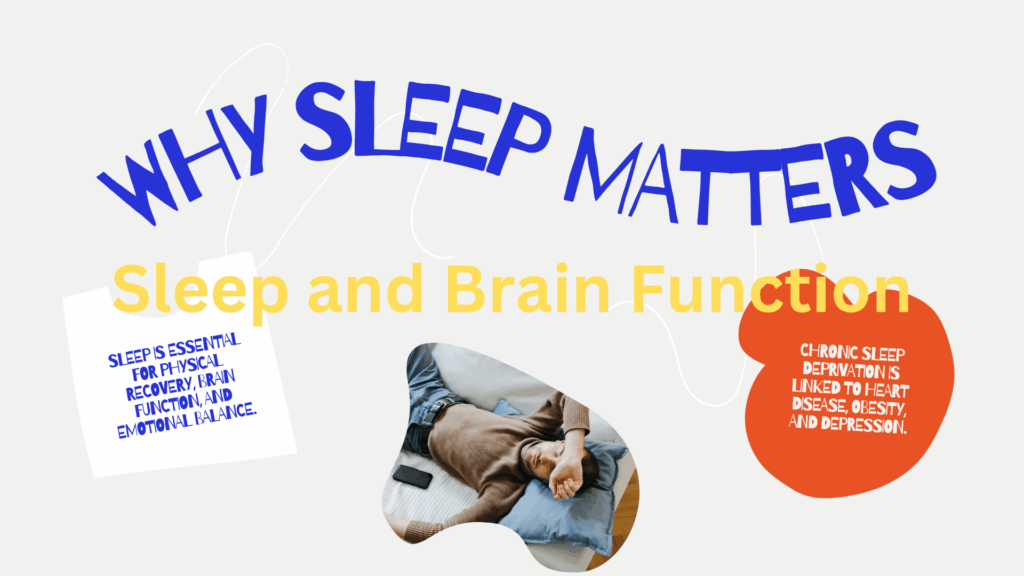
Sleep and Brain Function
During sleep, the brain engages in critical housekeeping functions. It consolidates memories, processes emotions, and clears out neurotoxic waste via the glymphatic system. This cleansing removes proteins like amyloid-beta that are linked to Alzheimer’s disease, reducing the risk of neurodegenerative disorders.
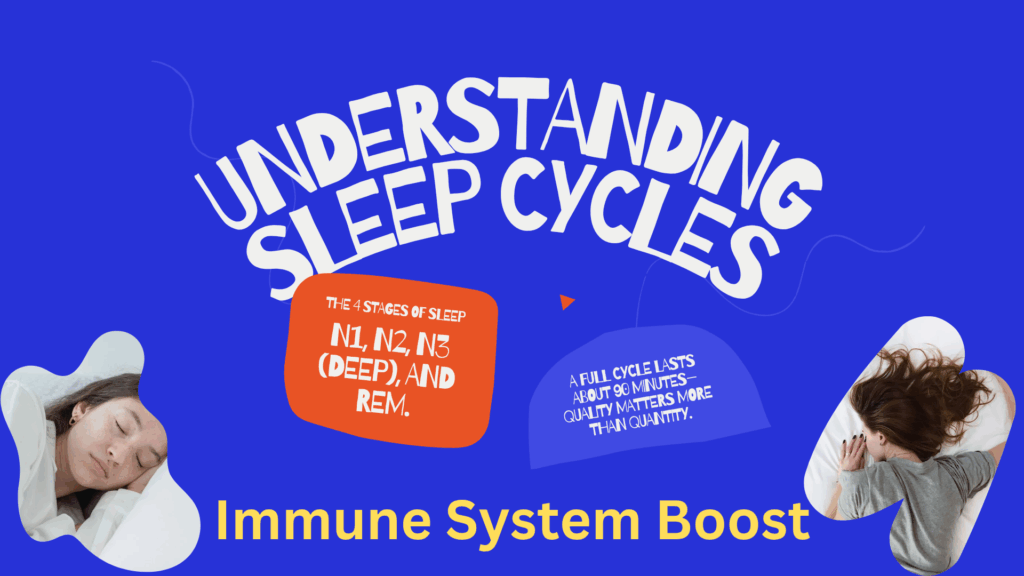
Immune System Boost
Getting sufficient sleep strengthens immune defense. Quality rest enhances the production of protective cytokines and antibodies, helping the body fight infections effectively. Studies show that people with good sleep are more resilient to colds, flu, and other illnesses.
Mental Health and Mood Regulation
Sleep supports emotional stability and reduces stress hormones. Lack of sleep is strongly linked to anxiety, depression, and mood swings. Restorative sleep improves brain areas responsible for emotional regulation, helping individuals cope better with daily stresses.
The Science Behind Sleep’s Healing Powers
Memory and Learning
Sleep plays a fundamental role in consolidating new information, enhancing learning capacity, and improving decision-making skills. During REM and deep sleep stages, the brain processes learned tasks and memories, preparing you for optimal performance.
Physical Recovery and Growth
During deep sleep, the body releases growth hormones that aid in tissue repair, muscle growth, and metabolic regulation. Athletes rely on good sleep to recover from training and prevent injury, but these benefits extend to everyone.
Weight Management and Metabolism
Sleep affects hormones that regulate appetite such as ghrelin and leptin. Insufficient sleep causes increased hunger and cravings for unhealthy foods, contributing to weight gain and metabolic disorders like diabetes.
Tips for Achieving Restorative Sleep
Maintain a Consistent Sleep Schedule
Going to bed and waking up at the same time every day regulates the circadian rhythm, promoting deeper, more refreshing sleep.
Create a Sleep-Friendly Environment
Ensure your bedroom is dark, quiet, and cool. Reduce blue light exposure from screens at least one hour before bedtime to encourage melatonin production.
Manage Stress and Relax Before Bed
Practice mindfulness meditation, deep breathing, or light stretching to relax your mind and body before sleep.
Limit Stimulants and Heavy Meals
Avoid caffeine, nicotine, and large meals close to bedtime as they disrupt sleep cycles and digestion.
The Future of Sleep
Emerging technologies such as AI-powered sleep trackers and smart environments are revolutionizing how we understand and improve sleep quality. However, the timeless principles of good sleep hygiene and prioritizing rest remain paramount.
Conclusion: Prioritize Sleep as Real Medicine
Sleep is a powerful, natural remedy that supports every facet of health. By prioritizing quality rest, you enhance your physical vitality, cognitive abilities, and emotional balance. In today’s fast-paced world, embracing sleep as medicine can be the key to a healthier, happier life.
🔗 Related Posts
✨ You May Like These Articles


Pingback: Gut Health and You: The Essential Guide to a Strong Body and Mind in 2025 - RK News Blog
Pingback: Top 10 Daily Habits to Boost Your Lifespan and Stay Healthy in 2025 - RK News Blog