
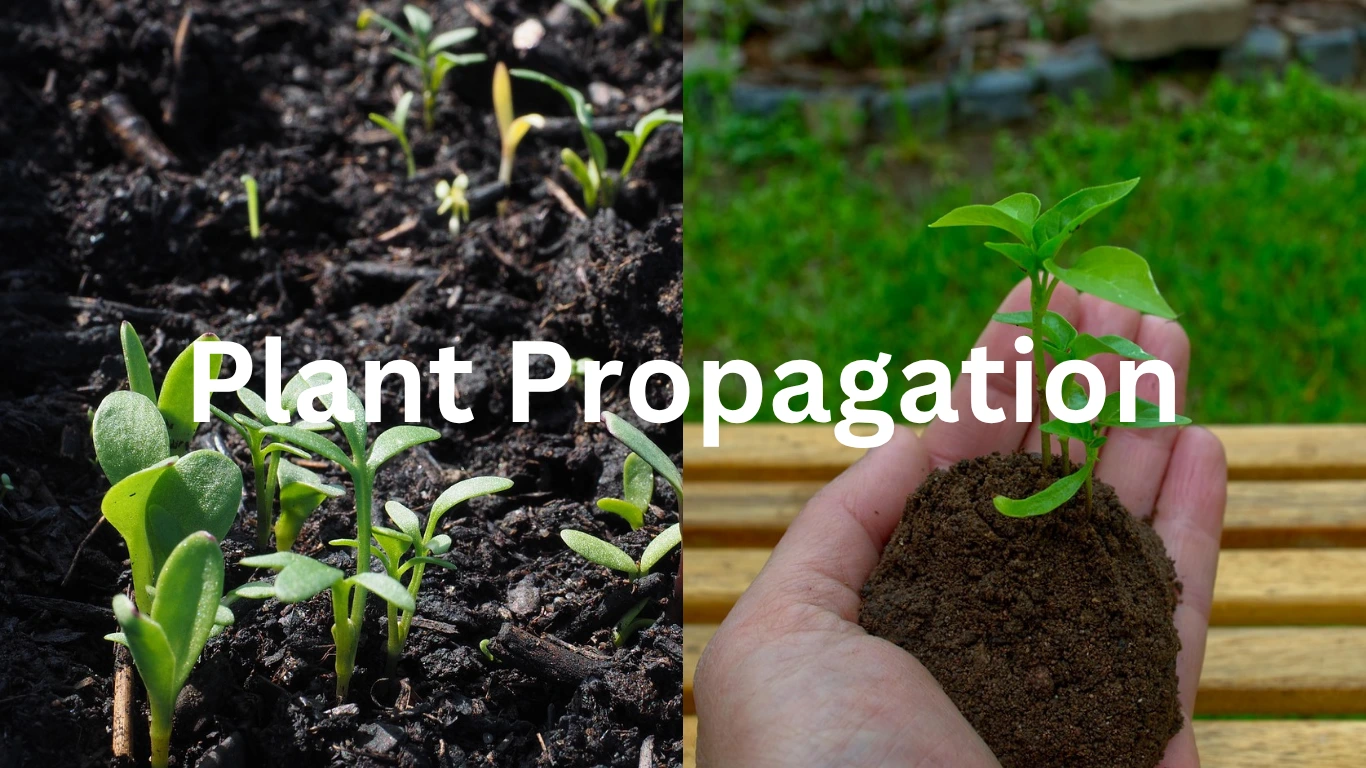

Plant Propagation: How to Grow Your Own Garden from Seeds
Introduction
Growing your own garden from seeds is one of the most rewarding and economical ways to cultivate a vibrant outdoor space. Seed propagation not only saves money but allows you to grow a wide variety of plants, tailoring your garden to personal preferences and local conditions. This complete guide will walk you through every essential step, whether you’re a first-time gardener or looking to refine your methods.
Understanding Plant Propagation by Seeds
Plant propagation is the process of creating new plants from various sources: seeds, cuttings, or other plant parts. Seed propagation is the most common and beginner-friendly method, suitable for vegetables, flowers, herbs, and some perennials.
Why Choose Seeds?
- Cost-effective compared to buying mature plants
- Broader selection of varieties (including rare or heirloom types)
- Ability to start plants earlier in the season
Step 1: Choosing Seeds for Your Garden
Selecting the Right Seeds
- Opt for fresh, quality seeds from reputable suppliers.
- Read seed packets for variety details, germination rates, and special instructions.
- Match seeds to your local climate and soil conditions.
Tip: Hybrid seeds often show more vigor and resistance to disease, but open-pollinated seeds are best for saving and replanting.
Step 2: Preparing Containers and Soil
Containers
- Use seed trays, pots, or recycled containers with drainage holes.
- For tiny spaces, window boxes and old household items (like buckets or sinks) can be reused as planters.
Soil
- A well-draining, nutrient-rich potting mix is ideal.
- Avoid garden soil for seed starting—it can compact and harbor diseases.
Tip: Moisten the soil before sowing to ensure even germination.
Step 3: Sowing Seeds
Indoors vs. Outdoors
- Indoors: Start seeds indoors (on a windowsill or under grow lights) for a head start, transplanting outdoors later.
- Outdoors: Sow directly in the garden when conditions become favorable (usually after frost risk passes).
Planting Techniques
- Follow packet instructions for depth and spacing.
- Rule of thumb: Plant most seeds at a depth about twice their diameter.
- Fine seeds may just need light pressing into the soil.
Step 4: Providing Ideal Conditions
Light
- 6-8 hours of sunlight daily is typical for most seeds.
- Supplemental grow lights can help in low-light homes.

Temperature & Humidity
- Seeds germinate best in warm, stable temperatures.
- Indoors, cover containers with plastic wrap or use a mini greenhouse for humidity.
Watering
- Keep soil consistently moist, but avoid waterlogging.
- Use a spray bottle or water bath method for delicate seedlings.
Step 5: Germination and Seedling Care
- Monitor daily for emergence of seedlings.
- The first leaves to appear are called cotyledons, followed by true leaves.
- Thin crowded seedlings—keep the strongest for transplanting.
- Once seedlings develop true leaves, they need light feeding; a gentle liquid fertilizer works best.
Step 6: Transplanting Seedlings
- Harden off indoor seedlings by gradually exposing them to outdoor conditions over 7-10 days.
- Transplant when seedlings have several true leaves and roots hold the soil together.
- Water before and after transplanting, and choose a cloudy day for less stress.
Step 7: Aftercare in the Garden
- Mulch around transplanted seedlings to retain moisture and minimize weeds.
- Monitor for pests and diseases; neem oil spray is an effective organic solution.
- Water regularly and feed as needed—especially during dry spells or rapid growth.
Common Problems and Solutions
Damping Off: Overwatering or poor ventilation can cause young seedlings to collapse.
- Let soil dry slightly between waterings. Ensure good airflow.
Leggy Seedlings: Insufficient light causes tall, weak plants.
- Move plants to a brighter location or increase light intensity.
Slow Germination: Check soil temperature, keep consistent moisture, and wait patiently—some seeds require weeks.
Conclusion
Growing plants from seeds is a simple, budget-friendly, and immensely satisfying way to create a lush, personalized garden. By choosing the right seeds, preparing containers and soil carefully, and providing attentive aftercare, you’ll soon enjoy thriving veggies, flowers, or herbs—from seed to harvest. With regular practice, you’ll master this timeless gardening skill and reap the rewards for seasons to come!
🔗 Related Posts
✨ You May Like These Articles


