


How to Strengthen Your Immune System Naturally
Your immune system is your body’s greatest defense mechanism — a complex network of cells, tissues, and organs that work together to protect you from viruses, bacteria, and infections. Strengthening it naturally means giving your body the nutrients, rest, and balance it needs to perform at its best without dependence on synthetic supplements.
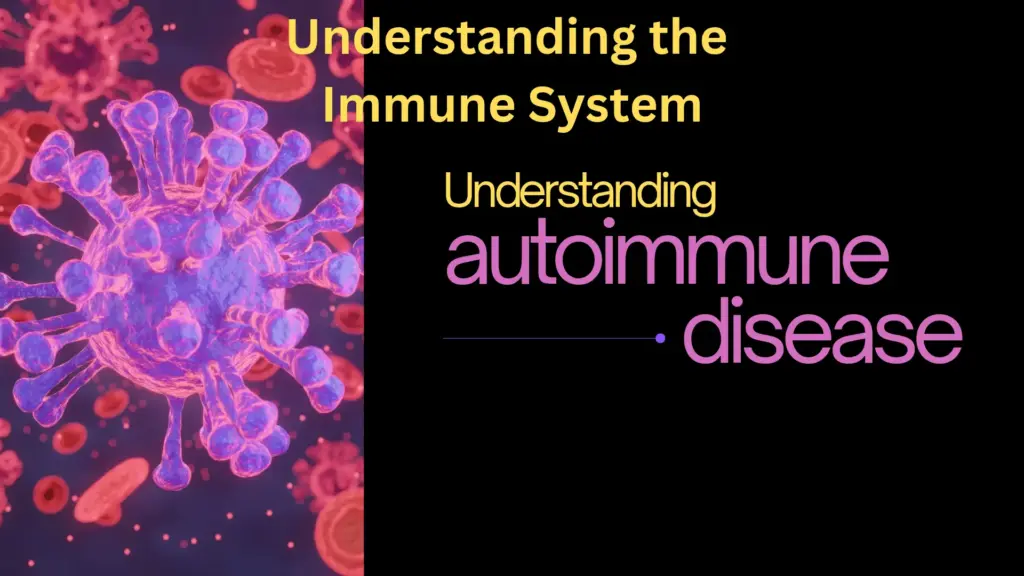
Understanding the Immune System
The immune system constantly fights foreign invaders to maintain your health. When balanced, it identifies and destroys harmful pathogens while protecting healthy tissue. However, poor nutrition, stress, and lack of sleep can weaken it, leaving you more susceptible to illness.
Why Natural Immunity Matters
Building immunity naturally ensures long-term protection. Unlike quick fixes, sustained lifestyle improvements—such as eating healthy, sleeping well, and reducing stress—lead to lasting resilience and vitality.
1. Eat a Nutrient-Rich Diet
Focus on Whole, Colorful Foods
Your diet plays a critical role in immune strength. Nutrient-dense foods provide essential vitamins, minerals, and antioxidants that help immune cells function properly.
Include:
- Vitamin C-rich foods: Oranges, kiwis, bell peppers, lemons, guavas
- Vitamin D sources: Egg yolks, mushrooms, fatty fish (salmon, sardines), and sun exposure
- Vitamin E foods: Almonds, sunflower seeds, avocados
- Zinc sources: Chickpeas, pumpkin seeds, spinach, lentils
Embrace the Mediterranean Way
Studies show that following a Mediterranean diet—rich in olive oil, legumes, vegetables, fruit, and omega-3 fats—can enhance immune balance and reduce inflammation.
2. Get Enough Quality Sleep
Sleep is the body’s repair mode. During deep sleep, your immune system releases cytokines — proteins vital for fighting infection and inflammation.
Sleep-Boosting Tips
- Aim for 7–9 hours each night
- Avoid blue light one hour before bedtime
- Keep your bedroom dark, quiet, and cool
- Follow a consistent schedule, even on weekends
Poor sleep weakens your body’s first defense line and reduces antibody production.
3. Stay Hydrated
Water flushes toxins, transports nutrients, and supports lymphatic circulation, which is essential for immune function.
Hydration Guidelines
- Drink 2–3 liters of water daily
- Limit sugary drinks and alcohol
- Add natural electrolytes (lemon, cucumber, or mint) for balance
Proper hydration maintains energy levels and organ efficiency — both essential for immunity.
4. Exercise Regularly (But Moderately)
Physical activity boosts immune cell circulation, reduces inflammation, and promotes better sleep.
Exercise Smartly
- 30 minutes of moderate activity (walking, yoga, cycling) 5 days a week
- Avoid long or intense workouts, which may temporarily suppress immunity
- Incorporate stretching and deep breathing exercises
Even a 20-minute brisk walk daily can lower your risk of colds and fatigue.
5. Manage Stress Effectively
Natural Stress-Reduction Habits
- Practice mindfulness meditation or deep breathing
- Try yoga, journaling, or gentle music therapy
- Connect with positive people and reduce digital overstimulation
A calm mind supports a resilient body.
6. Maintain a Healthy Gut
Almost 70% of your immune system resides in your gut. A balanced microbiome helps digest nutrients and regulate immune responses.

Gut-Strengthening Foods
- Probiotics: Yogurt, kefir, sauerkraut, kimchi, miso
- Prebiotics: Garlic, onions, oats, bananas, flaxseeds
- Avoid processed foods and excessive antibiotics
A healthy gut equals a stronger defense against harmful microbes.
7. Get Sunlight for Vitamin D
Vitamin D enhances immune cell activity and lowers inflammation.
Sun and Diet Combo
- Spend 15–20 minutes in sunlight daily
- Combine sunlight exposure with Vitamin D-rich foods (egg yolks, fortified milk, tuna, salmon)
If you live in low-sunlight regions, check your Vitamin D levels regularly.
8. Limit Alcohol and Avoid Smoking
Alcohol and tobacco both weaken immune barriers and slow down healing.
Steps Toward Healthier Habits
- If you drink, do so in moderation (no more than 1 drink a day for women, 2 for men)
- Quit smoking to improve respiratory and cardiovascular immunity
Detoxing naturally helps your body regenerate more effectively.
9. Practice Hygiene and Safety
The simplest habits can prevent dangerous infections.
Hygiene Checklist
- Wash hands regularly with soap for 20 seconds
- Keep your surroundings clean
- Avoid close contact with sick individuals
- Maintain good oral hygiene
Preventive care keeps your immune system focused on long-term balance, not fighting preventable germs.
10. Supplement Wisely (When Needed)
If your diet falls short, consider natural supplements like:
- Vitamin C – for antioxidant support
- Zinc – to speed healing and immunity
- Probiotics – for gut and overall health
- Vitamin D3 – especially during winter months
Always consult a healthcare professional before starting supplements.
Conclusion: Building Lifelong Immunity
Strengthening your immune system is not about temporary “boosts” but creating balance through consistent habits. Eat nutrient-rich foods, sleep well, stay active, manage stress, and maintain a positive mindset. These timeless habits will protect you year-round—naturally and effectively.
🔗 Related Posts
✨ You May Like These Articles


