


Gut Health and You: The Key to a Strong Body and Mind
Maintaining a healthy gut is the foundation of overall wellness. Recent research in 2025 emphasizes that gut health impacts not just digestion but also immunity, mental health, weight management, and skin health. The gut microbiome — the trillions of microorganisms living inside your digestive tract — plays a pivotal role in supporting your body’s functions. This article explores the significance of gut health, how diet influences microbiome diversity, and practical steps to optimize gut health for a healthier life.
The Significance of Gut Microbiota
The Microbiome: Your Body’s Control Center
Your gut microbiome comprises bacteria, viruses, fungi, and other microbes, each contributing uniquely to your health. No two microbiomes are identical; your composition is as individual as your fingerprint. These microbes produce metabolites that regulate nutrient absorption, immune responses, and even mental health.
How Gut Microbes Influence Immunity
Approximately 70% of your immune cells are housed in the gut. A balanced microbiome strengthens immune defenses by promoting the production of protective cytokines and antibodies. Conversely, dysbiosis, or microbial imbalance, can lead to chronic inflammation, increasing susceptibility to infections and autoimmune diseases.
Gut-Brain Axis and Mental Health
Scientific studies confirm a direct connection between gut bacteria and brain health — often called the gut-brain axis. Beneficial microbes produce neurotransmitters like serotonin and influence mood, focus, anxiety, and depression. A healthy gut can improve mental resilience and emotional well-being.
Impact on Weight and Skin
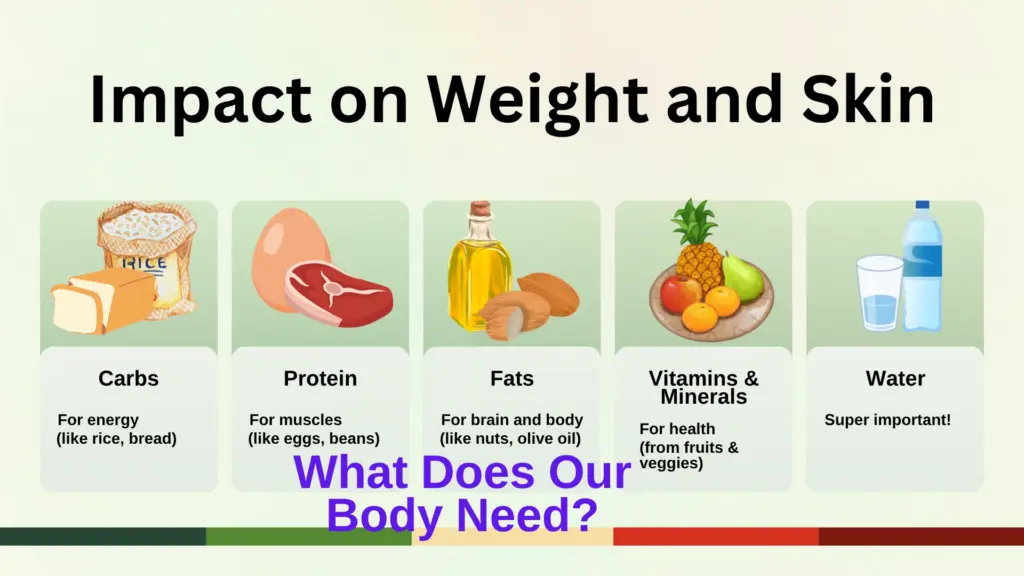
Research shows that gut diversity is linked to better weight management. A diverse microbiome helps regulate metabolism and reduce fat accumulation. Additionally, a balanced gut reduces inflammation, which can improve skin conditions like acne, eczema, and dullness.
How to Improve Gut Health Naturally
Eat a Diverse Range of Plant Foods
Diversity is key: aim for at least 30 different plant foods weekly. Leafy greens, fruits, vegetables, nuts, and seeds help supply fibers and polyphenols that feed beneficial bacteria, supporting microbial diversity.
Incorporate Fermented Foods and Probiotics
Foods like yogurt, kefir, sauerkraut, kimchi, and tempeh contain live beneficial bacteria. These probiotics can restore microbiota balance, enhance gut barrier function, and reduce disease risk.
Increase Dietary Fiber Intake
Fiber acts as prebiotics, nourishing your gut bacteria. Good sources include beans, whole grains, berries, and flaxseeds. Fiber reduces inflammation and improves bowel regularity.
Stay Hydrated
Adequate water intake sustains healthy digestion, nutrient absorption, and microbiota diversity. Aim for 4-6 cups of water daily for optimal gut function.
Minimize Antibiotic Use When Possible
While sometimes necessary, antibiotics can disrupt microbiome balance. Use them under medical supervision and consider probiotic supplementation post-treatment.
Manage Stress and Sleep
Chronic stress and poor sleep adversely affect gut health. Practice relaxation techniques, maintain regular sleep routines, and ensure 7-9 hours of quality sleep per night.
The Future of Gut Microbiome Research in 2025
Innovations in microbiome profiling, personalized nutrition, and microbiota-targeted therapies are rapidly advancing. Researchers are exploring how specific strains of beneficial bacteria can prevent or treat chronic diseases, including metabolic syndrome, autoimmune disorders, and mental health issues.
Conclusion: The Power of Gut Health
Your gut is much more than a digestive endpoint—it’s a complex ecosystem vital for your overall health. A balanced microbiome supports immunity, mental health, weight management, and skin health. Adopting a diverse diet rich in fiber and probiotics, managing stress, and getting enough sleep are key steps toward a stronger body and mind. Prioritize your gut health today to enjoy a healthier, happier life in 2025 and beyond.
🔗 Related Posts
✨ You May Like These Articles


Pingback: Top 10 Daily Habits to Boost Your Lifespan and Stay Healthy in 2025 - RK News Blog
Pingback: Functional Nutrition: How Eating with Purpose Improves Health and Energy in 2025 - RK News Blog