
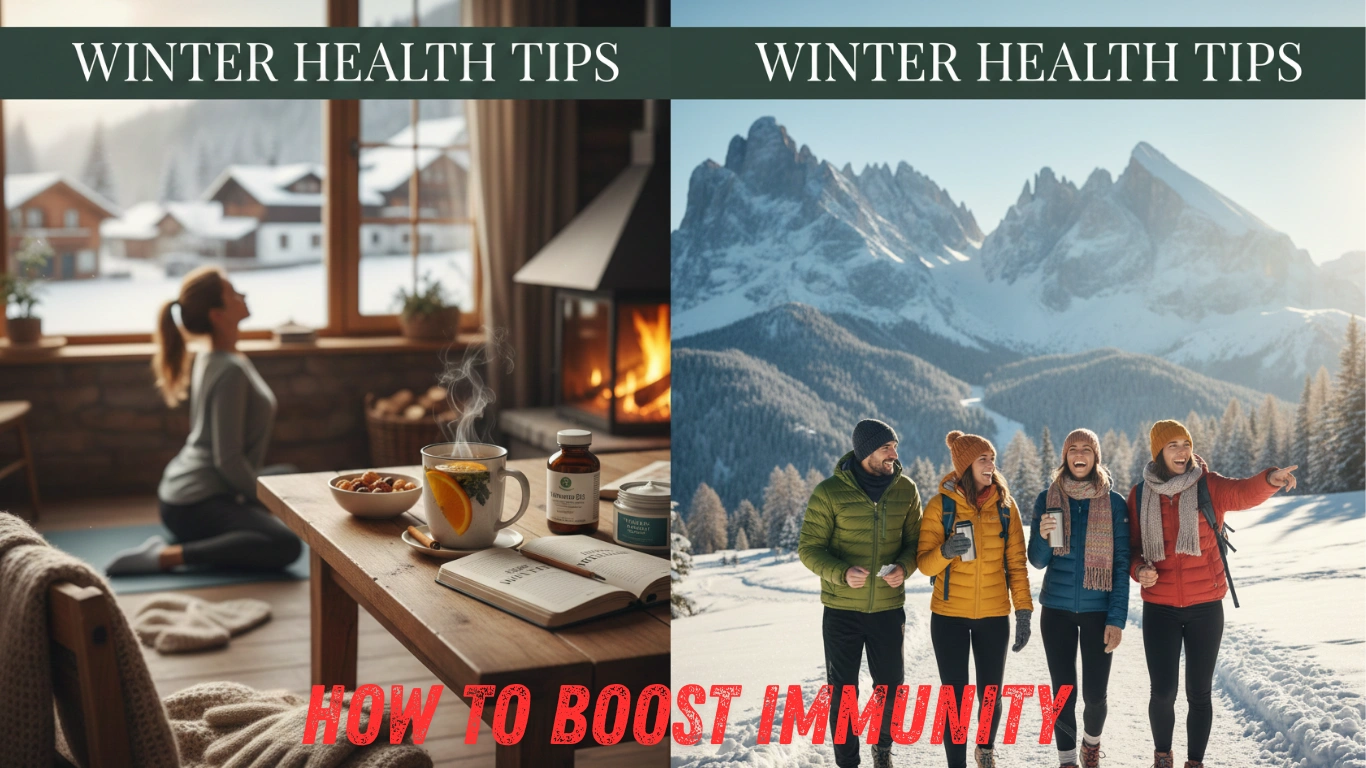

Stay Vibrant This Season: The Ultimate Winter Health Guide for Europe
Health Tips- As the days grow shorter and the crisp air of the European winter sets in, our bodies undergo significant changes. From the biting winds of Scandinavia to the damp, chilly winters of Central Europe, the seasonal shift requires more than just a heavy wool coat. Maintaining peak health during these months is about a holistic approach—nurturing your immune system, protecting your skin, and keeping your spirits high.
Strengthening Your Immune Defense Against Seasonal Viruses
Winter in Europe often coincides with the peak of the cold and flu season. With more time spent indoors in heated environments, viruses spread more easily.

The Power of Seasonal Nutrition
Eating seasonally is not just a culinary trend; it is a health necessity. Incorporate root vegetables like carrots, parsnips, and beetroots which are abundant in European markets during winter.
- Vitamin C: Don’t just rely on oranges; dark leafy greens like kale and spinach are excellent sources.
- Garlic and Ginger: These natural powerhouse ingredients have antimicrobial properties that help ward off infections.

The Vitamin D Challenge
In many parts of Europe, the winter sun is not strong enough for the body to synthesize Vitamin D. Often called the “sunshine vitamin,” it is crucial for bone health and immune function. Most health experts in the UK and EU recommend a daily supplement of 10µg (400 IU) during the winter months.
Mastering Mental Well-being: Beating the Winter Blues
Seasonal Affective Disorder (SAD) is a real concern in northern latitudes where daylight can be limited to just a few hours.
Maximizing Natural Light Exposure
Try to spend at least 30 minutes outside during the “golden hours” of midday. Even on a cloudy day in London or Berlin, natural light is significantly stronger than indoor lighting. If you work in an office, try to sit near a window or consider using a SAD light box (phototherapy) to mimic sunlight.
Staying Active Indoors and Out
Physical activity releases endorphins, which are natural stress-fighters.
- Outdoor: If conditions allow, brisk walking or winter hiking can be refreshing.
- Indoor: Yoga, Pilates, or home HIIT workouts are great ways to keep your circulation moving.

Skin and Body Care in Harsh Weather
The combination of freezing outdoor air and dry indoor heating can wreak havoc on your skin’s natural barrier.
Hydration is Key
We often forget to drink water when it’s cold. However, dehydration can lead to fatigue and dry skin. Switch to warm herbal teas—such as peppermint, chamomile, or rosehip—to stay hydrated without the chill of ice water.
Protecting the Skin Barrier
The European wind can be brutal. Use a thicker, lipid-rich moisturizer during the winter. Look for ingredients like Ceramides or Hyaluronic Acid. Don’t forget your SPF; even in winter, UV rays reflecting off snow can cause skin damage, especially in mountainous regions like the Alps.

The Importance of Restorative Sleep and Hygiene
Optimizing Your Sleep Environment
The ideal bedroom temperature for sleep is around 18°C. While it’s tempting to crank up the radiator, overly hot rooms can lead to restless sleep and dry respiratory tracts. Use breathable wool or cotton layers instead.
Hand Hygiene in Public Spaces
Whether you are commuting on the Paris Metro or the Berlin U-Bahn, public surfaces are hotspots for germs. Regular handwashing with soap and water remains the most effective way to prevent the spread of winter illnesses.

Conclusion: Embracing the “Hygge” Lifestyle
Winter doesn’t have to be a season of endurance. By adopting the Scandinavian concept of Hygge—creating a warm, cozy atmosphere and enjoying life with loved ones—you can support your mental health while your physical habits protect your body.
Final Tip: Listen to your body. If you feel tired, rest. If you feel sluggish, move. Balance is the key to surviving and thriving in the European winter.
Winter Health Tips: Frequently Asked Questions
During European winters, the sun is too low for our bodies to produce Vitamin D. This nutrient is vital for bone strength and a strong immune system. Supplements are often recommended to fill this gap.
Use a thick, lipid-rich moisturizer twice a day. Look for ingredients like ceramides or shea butter that create a barrier against cold air and prevent moisture loss.
SAD is a type of seasonal depression common in northern latitudes due to lack of sunlight. Symptoms include low energy and mood changes. Light therapy and morning walks can help.
Yes! Especially if you are in snowy areas like the Alps. Snow reflects up to 80% of UV rays, which can cause skin damage even when it’s freezing outside.
You need about 2–2.5 liters daily. Cold air is very dry, and heating systems dehydrate your body. If cold water is difficult to drink, try warm herbal teas.
Focus on seasonal European produce: Garlic, onions, ginger, citrus fruits, and root vegetables like beetroots and carrots which are high in antioxidants.
It’s better to keep the room cool (around 18°C). Excessive heating dries out your throat and nasal passages, making it easier for viruses to settle in.
Hygge (Danish concept) focuses on coziness and social connection. Improving your mental state through cozy environments reduces stress, which in turn boosts your immune system.
Try indoor activities like Yoga, HIIT, or swimming in heated indoor pools. If you go outside, dress in layers to maintain body heat while walking or cycling.
If you have a high fever that lasts more than 3 days, difficulty breathing, or persistent feelings of sadness that interfere with daily life, consult a healthcare professional.
🔗 Related Posts
✨ You May Like These Articles


