


Environmental Issues: Pollution, Deforestation, and the Rise of Sustainable Products
Environmental issues such as pollution and deforestation have become critical global challenges impacting ecosystems, human health, and climate stability. Alongside these problems, the increasing demand for sustainable products reflects a worldwide effort to mitigate environmental damage and promote greener living. This article explores these major environmental concerns, their causes and impacts, and how sustainable products offer hopeful solutions for a healthier planet.
Understanding Pollution: Causes and Effects
Pollution refers to the contamination of air, water, and soil by harmful substances resulting from human activities. It is one of the leading causes of environmental degradation and health problems worldwide.
Types of Pollution
- Air Pollution: Emission of harmful gases, smoke, and particulate matter from vehicles, industries, and burning fossil fuels.
- Water Pollution: Contamination of rivers, lakes, and oceans by chemicals, plastics, sewage, and oil spills.
- Soil Pollution: Accumulation of pesticides, heavy metals, and waste products in soil affecting agriculture and biodiversity.
- Noise Pollution: Excessive sound from traffic, construction, and industrial activities impacting human well-being.
Effects of Pollution
- Respiratory diseases and cardiovascular illnesses in humans.
- Harm to aquatic life and disruption of marine ecosystems.
- Soil degradation leading to loss of fertile land.
- Contribution to climate change through greenhouse gas emissions.

Deforestation: Causes, Consequences, and Current Trends
Deforestation is the large-scale clearing of forests for agriculture, urban development, logging, and other purposes. It directly threatens biodiversity and accelerates climate change.
Causes of Deforestation
- Expansion of farmland and livestock grazing areas.
- Logging for timber, paper, and fuelwood.
- Infrastructure development such as roads and settlements.
- Mining and extraction activities.
Environmental Impact of Deforestation
- Loss of habitat leading to extinction of plant and animal species.
- Increased greenhouse gas emissions from burning and reduced carbon sequestration.
- Soil erosion and decreased water retention affecting agriculture.
- Disruption of indigenous communities’ livelihoods.
Global and Regional Trends
- The Amazon, Congo Basin, and Southeast Asian forests face intense deforestation pressures.
- Some countries have initiated reforestation and afforestation projects to combat forest loss.
- Sustainable forest management practices are gaining importance worldwide.
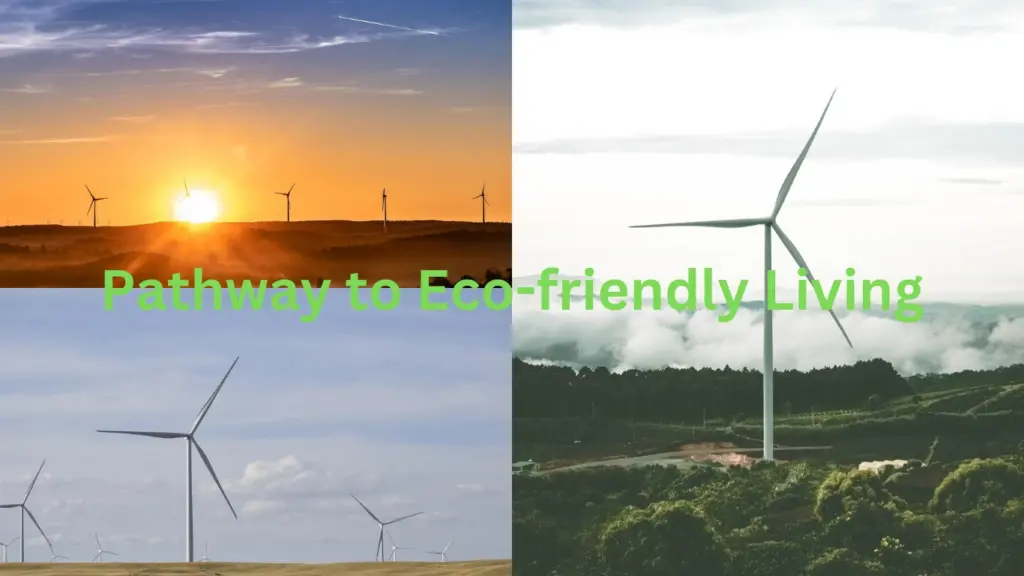
The Rise of Sustainable Products: Pathway to Eco-friendly Living
Sustainable products are designed to minimize environmental impact through eco-friendly materials, ethical manufacturing, and reduced waste.
Characteristics of Sustainable Products
- Use of renewable, biodegradable, or recycled materials.
- Energy-efficient production and packaging.
- Ethical sourcing ensuring fair labor and biodiversity conservation.
- Durability and reparability to reduce frequent replacement.
Popular Types of Sustainable Products
- Eco-friendly clothing made from organic cotton, bamboo, or hemp.
- Reusable household items like bags, straws, and containers.
- Organic and fair-trade food products.
- Energy-saving appliances and solar-powered gadgets.
Benefits of Choosing Sustainable Products
- Reduction in carbon footprint and waste generation.
- Support for ethical businesses promoting social and environmental welfare.
- Conservation of natural resources and biodiversity.
- Encouragement for industries to adopt greener technologies.
How Individuals and Communities Can Address Environmental Issues
- Reduce, reuse, and recycle to minimize waste production.
- Support green energy sources such as solar and wind power.
- Participate in tree planting and conservation programs.
- Advocate for strong environmental policies and corporate responsibility.
- Educate others about the importance of sustainable living.
Conclusion
Pollution and deforestation remain urgent environmental challenges that require immediate and sustained global action. Embracing sustainable products and eco-friendly lifestyles offers a promising direction toward reducing our ecological footprint. By increasing awareness, adopting green habits, and supporting conservation efforts, individuals and communities worldwide can play vital roles in protecting our planet’s health and ensuring a sustainable future for generations to come.
🔗 Related Posts
✨ You May Like These Articles


Pingback: Social Issues in Germany: Challenges, Solutions, and Future Outlook - RK News Blog