

The Rise of a Multipolar World: Global Political Trends in 2025
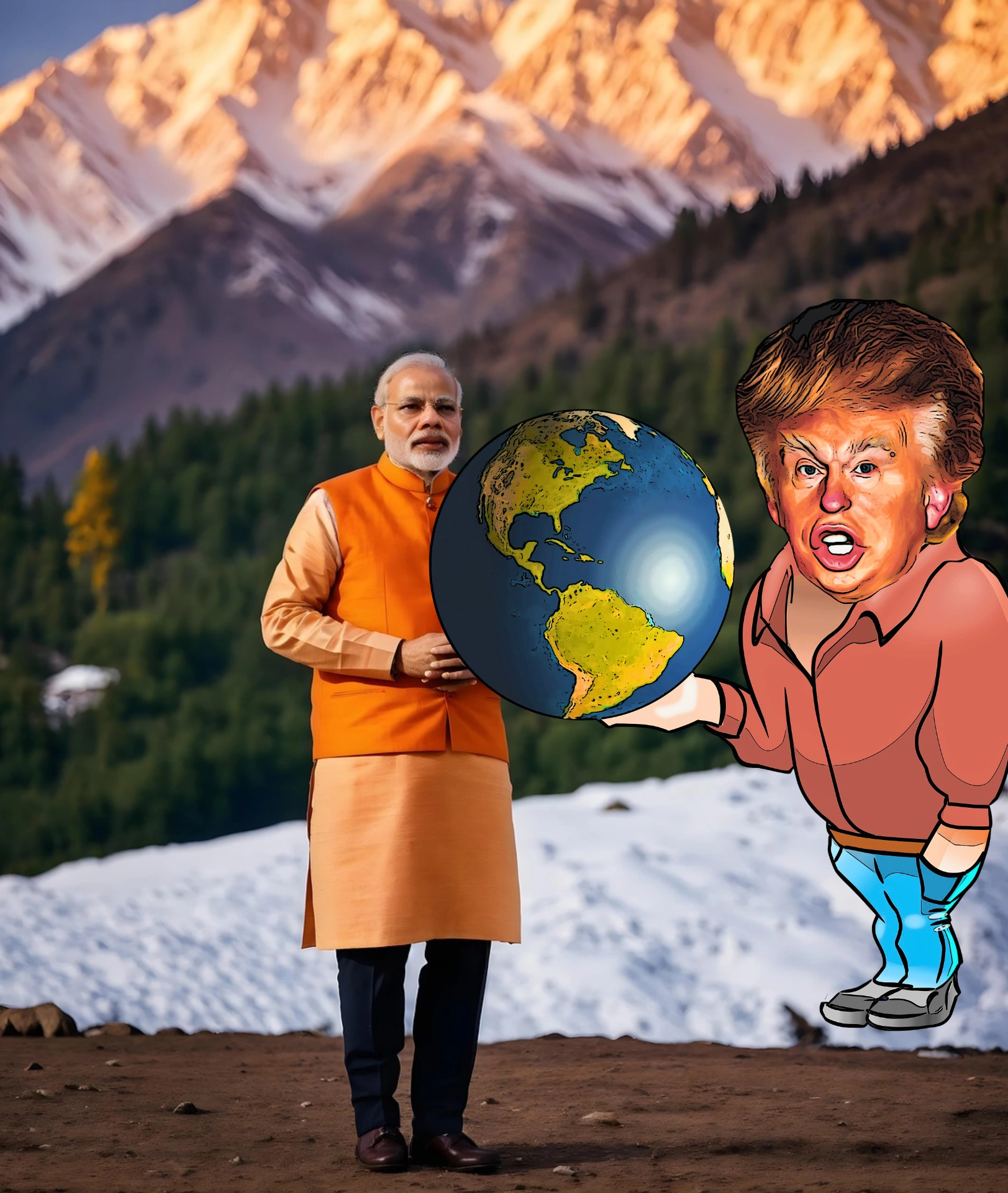
The year 2025 marks a defining period in global politics with the clear emergence of a multipolar world. Traditional Western dominance, led by the United States, is experiencing shifts as new centers of power rise across Asia, Africa, and Latin America. This transformation affects global trade, security, diplomacy, and governance, signaling a new era in international relations.
What Is a Multipolar World?
A multipolar world is characterized by multiple powerful nations or blocs exerting regional or global influence, rather than a single hegemonic power dominating international affairs. Unlike the post-Cold War unipolar system where the U.S. was the uncontested leader, multipolarity features competing interests and cooperation among several influential players.
Key Global Powers in 2025
- United States: Retains major influence but balances domestic challenges with global commitments.
- China: Expands its economic and diplomatic footprint through initiatives like the Belt and Road, setting alternative development models.
- India: Rising as a strategic counterbalance in Asia, increasing defense and economic cooperation with various partners.
- European Union: Navigates internal cohesion while aiming to assert geopolitical relevance.
- Russia: Maintains regional influence, particularly in Eastern Europe and Central Asia.
Geopolitical Hotspots and Conflicts
Several regions remain volatile, shaping global security concerns:
Middle East Tensions
The Israel-Hamas conflict continues to affect peace prospects and regional stability. International actors are deeply engaged in diplomatic efforts to de-escalate violence while addressing humanitarian crises.
Africa’s Increasing Role
With the upcoming EU-Africa Summit in 2025, Africa is gaining prominence in global governance discussions. Its rich resources and youthful population make it central to future economic and geopolitical dynamics.
Latin America’s Political Landscape
Elections in countries like Argentina and Brazil will influence regional integration and relations with global powers, emphasizing the multipolar nature of international politics.
Implications for Global Governance
The multipolar system challenges existing institutions like the United Nations, World Trade Organization, and NATO to adapt. New alliances and forums emerge, reflecting more diverse voices and interests. These include:
- G20 and BRICS: Platforms for economic cooperation among emerging and established powers.
- Digital and Climate Governance Forums: Prioritize global challenges beyond traditional geopolitics.
Economic and Technological Dimensions
The multipolar world also encompasses competition in technology, trade routes, and supply chains:
- Technology Competition: AI, 5G, and quantum computing are arenas for strategic competition and collaboration.
- Trade and Supply Chains: Countries diversify partners to reduce dependence on any single power bloc.
The Future Outlook
The global political landscape in 2025 will likely evolve towards increased complexity, requiring skillful diplomacy. Cooperation on shared challenges such as climate change, pandemics, and cybersecurity will be essential for stability. The multipolar world offers opportunities for more balanced power sharing but also risks intensified rivalries.
🔗 Related Posts
✨ You May Like These Articles


