
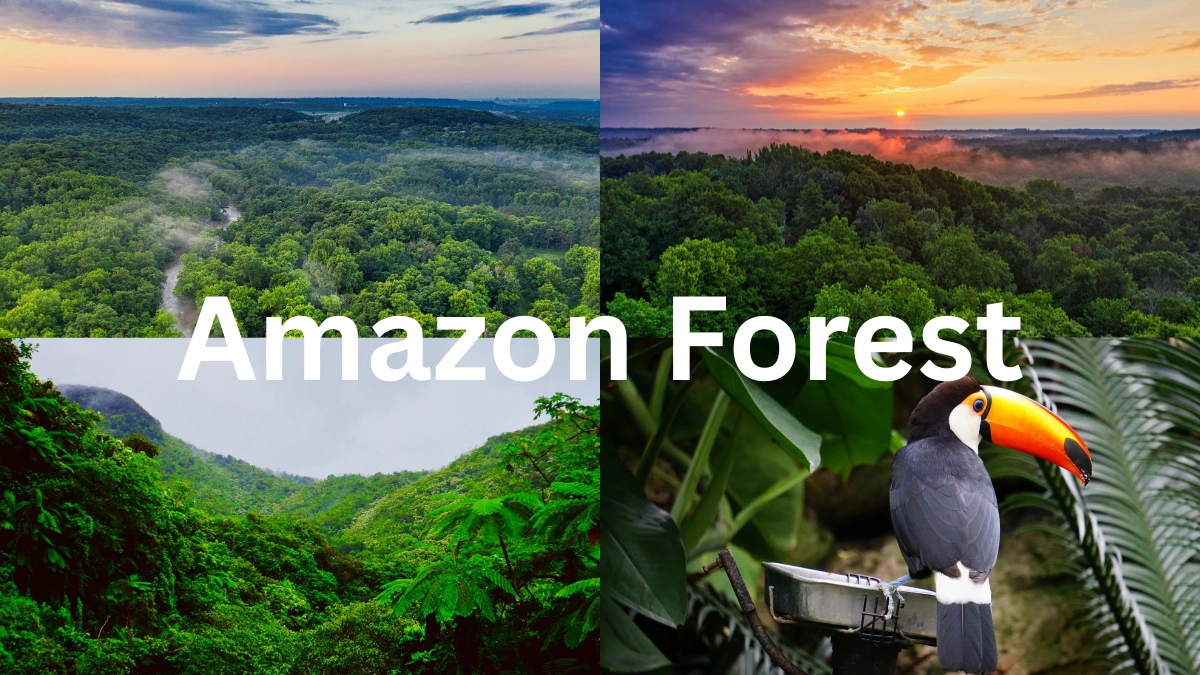

The Amazon Jungle: Secrets, Wildlife, and Conservation in 2025
The Amazon Jungle, also known as the Amazon Rainforest, is one of the most fascinating and vital ecosystems on our planet. Spanning over 6.7 million square kilometers across nine South American countries, it is home to an incredible diversity of species, ancient tribes, and natural wonders that continue to amaze the world in 2025.
🌿 Introduction: The Heart of the Earth
Often called the “Lungs of the Earth,” the Amazon Jungle produces about 20% of the world’s oxygen. It plays a crucial role in balancing the global climate by absorbing massive amounts of carbon dioxide. The forest stretches across Brazil, Peru, Colombia, Venezuela, Ecuador, Bolivia, Guyana, Suriname, and French Guiana.
🌳 The Biodiversity of the Amazon
The Amazon Jungle is a treasure trove of life. It shelters over 400 billion trees belonging to more than 16,000 species. The wildlife here is unmatched — from colorful birds to stealthy predators, each creature plays a vital role in maintaining the ecosystem’s balance.
🐅 Iconic Animals of the Amazon
- Jaguar: The top predator of the jungle, known for its strength and stealth.
- Sloth: The slow-moving, tree-dwelling mammal that symbolizes peaceful coexistence with nature.
- Macaw: Vibrant parrots with dazzling colors, often flying in pairs.
- Amazon River Dolphin: A unique pink-colored dolphin found only in the Amazon River.
- Anaconda: One of the world’s largest snakes, residing in the swampy waters of the rainforest.
💧 The Mighty Amazon River
The Amazon River is the second-longest river in the world, flowing for over 6,400 kilometers. It discharges more water into the ocean than any other river on Earth. The river serves as the lifeline of the rainforest, nourishing both wildlife and the indigenous communities that depend on it for food, transport, and livelihood.

👣 Indigenous Tribes and Cultures
The Amazon Jungle is home to more than 400 indigenous tribes, many of whom live in isolation. These tribes have been living sustainably for thousands of years, maintaining a deep spiritual connection with nature.
Notable Tribes of the Amazon:
- Yanomami: Known for their communal lifestyle and shamanic traditions.
- Ticuna: One of the largest tribes, recognized for their colorful body paint and festivals.
- Kayapo: Activists and protectors of the rainforest who have fought against illegal logging and mining.
🔥 Threats to the Amazon Rainforest
Despite its vastness, the Amazon Jungle faces severe threats due to human activities. Deforestation, illegal mining, climate change, and agricultural expansion are the leading causes of destruction. Over the last 50 years, nearly 17% of the rainforest has been lost, significantly impacting global biodiversity.
Deforestation and Its Global Impact
When trees are cut down, the carbon stored in them is released back into the atmosphere, accelerating global warming. The loss of forests also endangers countless animal species and displaces indigenous people from their ancestral lands.
🌱 Conservation Efforts in 2025
In recent years, global awareness and local initiatives have begun to show positive results. Organizations such as WWF, Greenpeace, and Amazon Watch are actively working with local communities to protect and restore the rainforest. Governments have also started enforcing stricter regulations to reduce deforestation and promote sustainable farming.
Technology in Conservation
Modern technology plays a vital role in Amazon conservation efforts in 2025. Satellite monitoring, AI-based deforestation alerts, and drone surveillance help authorities track illegal activities and protect sensitive zones more effectively.

🌎 Why the Amazon Jungle Matters to the World
The Amazon Jungle affects weather patterns, purifies the air, and stabilizes the Earth’s temperature. It’s not just a South American treasure — it’s a global necessity. The rainforest holds potential cures for diseases and unknown plant species that could transform modern medicine.
💡 How You Can Help Save the Amazon
- Support organizations working to protect the rainforest.
- Choose sustainable products that don’t contribute to deforestation.
- Reduce meat consumption to limit agricultural expansion in forest areas.
- Spread awareness about the importance of the Amazon ecosystem.
🌺 Conclusion
The Amazon Jungle stands as a symbol of nature’s resilience and diversity. Protecting it means protecting ourselves — our oxygen, our climate, and our future generations. As we move through 2025, every small action toward conservation counts. Let’s preserve the green heart of our planet for centuries to come.
Frequently Asked Questions about the Amazon Rainforest
🔗 Related Posts
✨ You May Like These Articles


Pingback: Environmental Issues: Understanding Pollution, Deforestation, and Sustainable Products - RK News Blog