
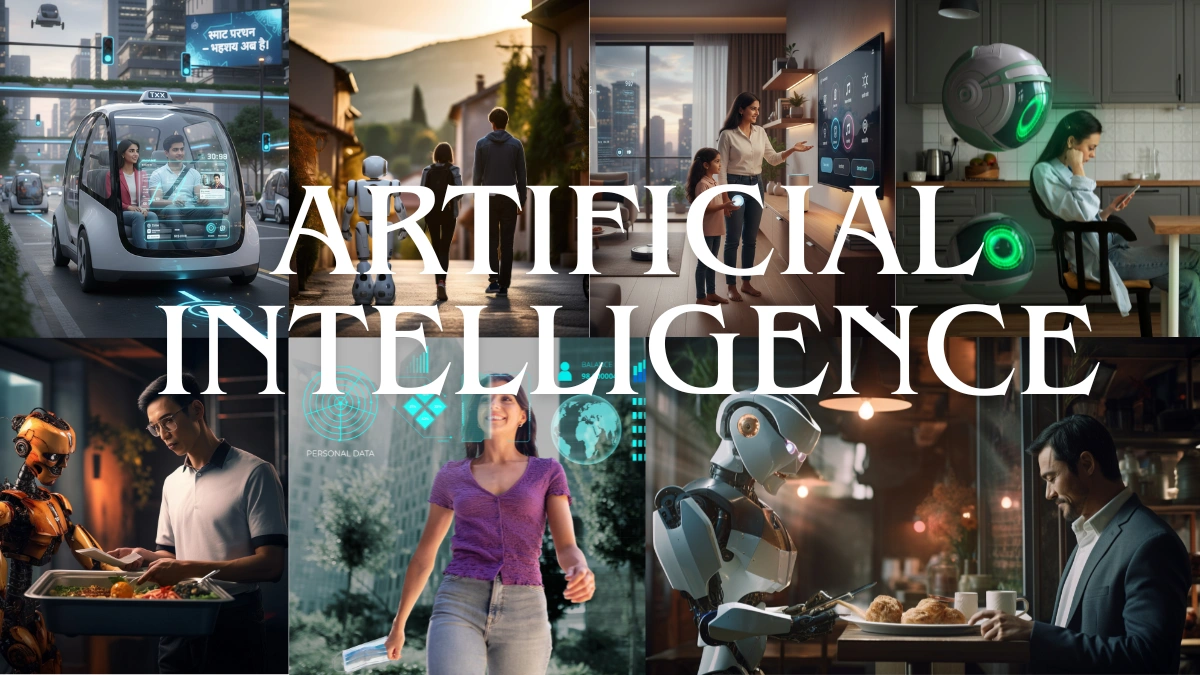

AI Agent: Exploring the Future of Autonomous Artificial Intelligence Systems
Artificial Intelligence (AI) agents represent a transformative technology that is reshaping industries, workflows, and daily life. These autonomous software entities can perceive their environment, make decisions, learn from data, and perform tasks independently—making them vital for automation, intelligent assistance, and problem-solving across diverse sectors.
What Is an AI Agent?
An AI agent is a computer program or system that acts autonomously in an environment to achieve specific goals. Unlike traditional software, AI agents possess decision-making capabilities and adaptability through machine learning and other AI techniques.
Core Characteristics of AI Agents
- Autonomy: Ability to operate without constant human guidance.
- Perception: Sensing and interpreting inputs from the environment.
- Reasoning: Making decisions to meet objectives based on available data.
- Learning: Improving performance by acquiring knowledge over time.
- Interaction: Communicating or collaborating with humans or other systems.
Types of AI Agents
AI agents vary widely depending on their complexity, purpose, and deployment context:
1. Simple Reflex Agents
Operate based on current percepts without stored knowledge, reacting directly to stimuli using condition-action rules. Suitable for straightforward tasks like basic sensors or rule-based automation.
2. Model-Based Reflex Agents
Maintain an internal model of the environment to handle partially observable situations, enabling more informed decisions.
3. Goal-Based Agents
Make decisions to achieve specific objectives or goals, incorporating planning algorithms and evaluation metrics.
4. Utility-Based Agents
Focus on maximizing a utility function that represents preferences among possible outcomes, allowing for trade-offs and prioritized decision-making.
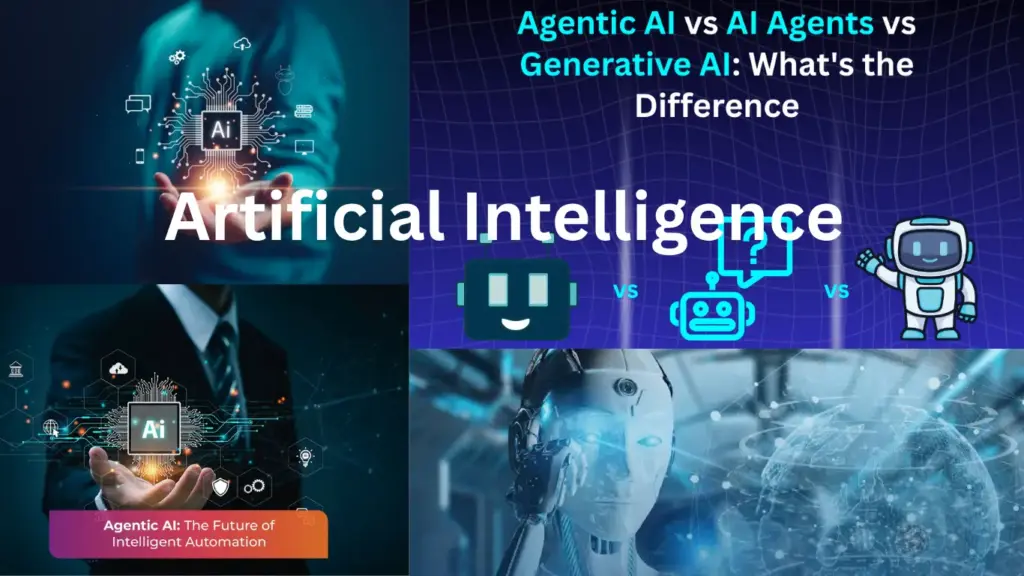
5. Learning Agents
Adapt and improve by learning from experiences or data, employing techniques like reinforcement learning, neural networks, or deep learning.
Applications of AI Agents
AI agents are used in numerous fields, driving innovation and efficiency:
Virtual Assistants and Chatbots
AI agents like Siri, Alexa, and customer service bots interact naturally with users, answering queries and automating routine tasks.
Autonomous Vehicles
Self-driving cars utilize AI agents to perceive surroundings, navigate roads, and make real-time decisions.
Robotics and Automation
Industrial robots and drones employ AI agents to perform complex manipulation, inspection, and delivery tasks.
Healthcare
AI agents assist in diagnostics, personalized treatment planning, patient monitoring, and managing medical data.
Finance
Trading bots, fraud detection systems, and portfolio management tools use AI agents to analyze markets and execute strategies.
Smart Environments
AI agents manage building systems, energy usage, security, and adapt environments to occupant preferences.
Benefits of AI Agents
- Increased Efficiency: Automate repetitive tasks freeing human resources.
- Enhanced Decision-Making: Analyze vast data quickly to make timely and accurate decisions.
- Scalability: Perform massive parallel operations impossible for humans.
- Personalization: Tailor interactions and services according to individual needs.
- 24/7 Availability: Operate continuously without fatigue.
Challenges and Ethical Considerations
While AI agents present opportunities, they also pose challenges:
Transparency and Explainability
Complex AI models can be opaque, making it difficult to understand how decisions are made.
Bias and Fairness
AI agents trained on biased data may perpetuate inequalities or unfair outcomes.
Privacy and Security
Autonomous agents handling sensitive data must be designed with strong safeguards against breaches.
Accountability
Determining responsibility when AI agents cause harm or errors is an ongoing legal and ethical debate.
Job Displacement
Automation through AI agents raises concerns about workforce impacts and the need for reskilling.
The Future of AI Agents
Advances in AI research promise more capable, general-purpose agents capable of collaborative problem-solving, creative tasks, and ethical decision-making. The integration of multimodal AI—combining language, vision, and action—alongside improvements in learning efficiency, will continue to expand AI agents’ roles across society.
🔗 Related Posts
✨ You May Like These Articles


