


A Ceasefire Between Israel and Hamas Begins: October 10, 2025
Introduction
On Friday, October 10, 2025, after months of conflict, Israel and Hamas agreed to a historic ceasefire, marking a significant turning point in the Gaza crisis. This agreement has brought both relief and hope to millions of Palestinians displaced by the fighting, as they begin their journey home to northern Gaza.
Background of the Conflict
The Situation in Gaza
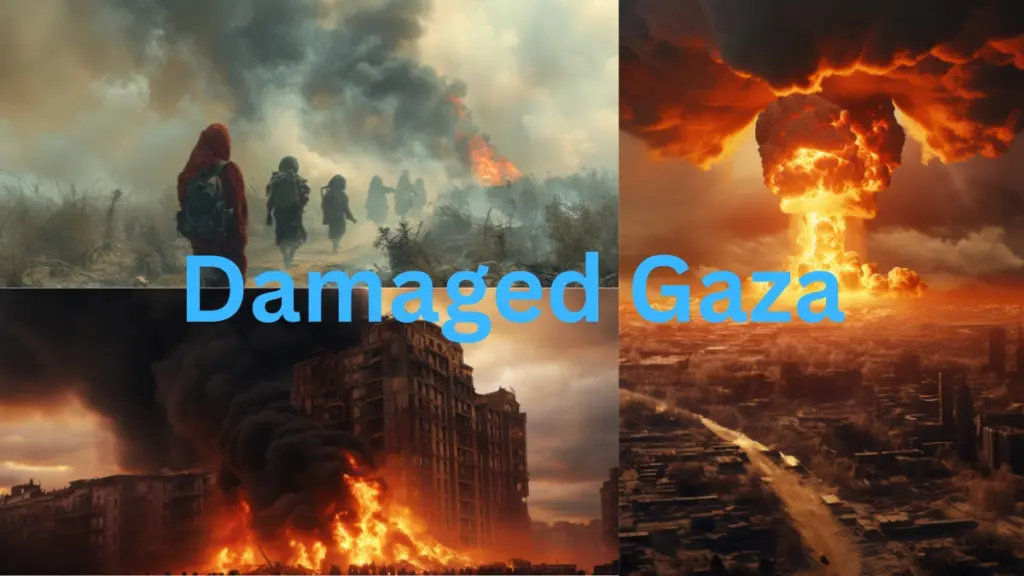
The conflict between Israel and Hamas intensified in 2024 and 2025, resulting in widespread destruction across the Gaza Strip. Entire neighborhoods were flattened, infrastructure crippled, and thousands forced to flee their homes.
International Mediation
Peace talks, led by international stakeholders including the United States and Egypt, gained momentum through 2025. Eventually, President Donald Trump’s administration unveiled a comprehensive peace initiative. The plan called for a phased ceasefire, hostage exchanges, and humanitarian aid flows.
Details of the Ceasefire Agreement
Key Provisions
The ceasefire, starting on October 10, involves several critical steps:
- Immediate cessation of hostilities between Israel and Hamas.
- Withdrawal of Israeli forces from large parts of Gaza.
- Release of hostages and prisoners on both sides as part of confidence-building measures.
- A controlled return of displaced Palestinians to their homes in northern Gaza.
- Opening of humanitarian corridors allowing aid deliveries into the strip.

Security Guarantees
Though Israeli troops have retreated from many locations, they still maintain positions in strategic border areas. Civilians are cautioned against approaching sensitive zones as security sweeps and demining operations continue.
The Return of Displaced Palestinians
Movement North
The announcement of the ceasefire unleashed a wave of movement northward. Thousands of Palestinians, many carrying whatever possessions they could salvage, traveled up key roads like Al-Rashid and Salah al-Din, hoping to reunite with family and reclaim surviving homes.
Humanitarian Situation
Relief agencies and local authorities are working to address urgent needs. Hundreds of aid trucks have entered the region, distributing food, medicine, and materials for shelter. Power, water, and medical infrastructure remain strained but are slowly being restored.
Challenges and Future Prospects
Ongoing Risks
Despite the lull in fighting, dangers remain. Sporadic skirmishes have been reported in some northern neighborhoods, and unexploded ordnance poses a lingering threat. The destruction challenges efforts at swift recovery, with many buildings ruined and basic services disrupted.
Road to Lasting Peace
This ceasefire is only the first phase of a broader peace process. Further troop withdrawals, expanded humanitarian aid, and continued hostage releases are planned. Crucial questions about the governance of Gaza, the disarmament of militant groups, and long-term security guarantees are yet to be resolved.
International Reaction
Global Support and Caution
World leaders have welcomed the ceasefire and called for restraint, with the United Nations and the Arab League urging both parties to uphold the agreement. International monitors remain present to oversee the implementation and aid distribution, while diplomatic efforts to secure a lasting solution continue.
Conclusion
The October 2025 ceasefire between Israel and Hamas has given hope to millions affected by ongoing violence. As Palestinians return north, the world watches, optimistic that this agreement will pave the way for sustained peace, reconstruction, and a better future for Gaza’s people.
🔗 Related Posts
✨ You May Like These Articles


Pingback: Afghanistan Foreign Minister Ka Historic India Visit 2025 – Indo-Afghan Relations Mein Nayi Dosti! - RK News Blog