
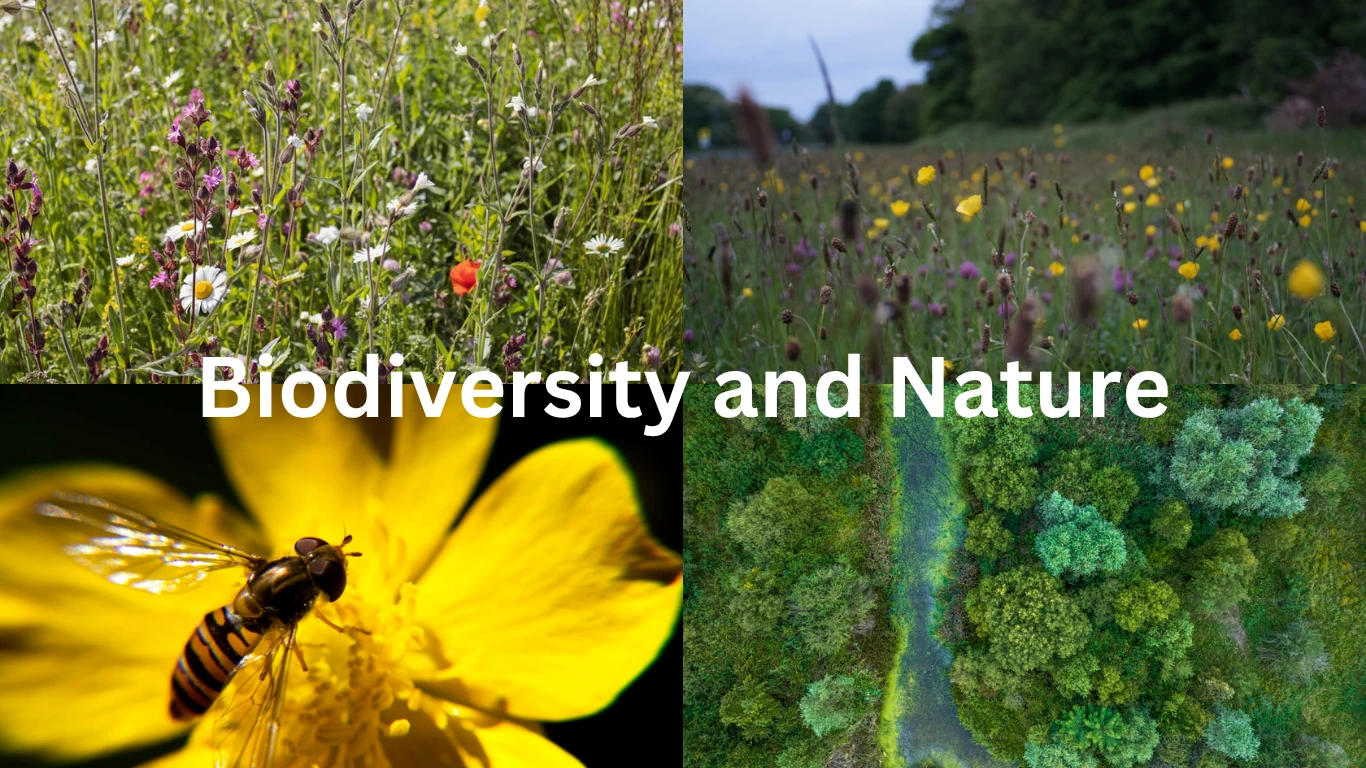

Biodiversity and Nature Conservation: Global Importance and Indian Perspective
Biodiversity and nature conservation are among the most pressing topics for today’s environmentally conscious world. With millions of plant and animal species interdependent on healthy ecosystems, protecting biodiversity is vital for sustainable living, food security, and climate stability. Both in India and globally, communities, governments, and scientists are focusing on saving nature’s incredible diversity for future generations.
What Is Biodiversity and Why Does It Matter?
Biodiversity refers to the variety of life in all forms—plants, animals, fungi, and microorganisms—across oceans, forests, wetlands, and urban areas. It shapes the resilience and productivity of ecosystems and provides countless resources essential for human survival.
Benefits of Biodiversity
- Supplies food, medicine, fresh water, and raw materials.
- Supports ecosystem functions like pollination, nutrient cycling, and climate regulation.
- Enhances ecosystem resilience against natural disasters and disease outbreaks.
- Inspires culture, spirituality, and recreation across civilizations.
Threats to Biodiversity Worldwide
Despite its importance, global biodiversity is under severe threat due to human activities. Habitat loss, deforestation, pollution, overexploitation, climate change, and invasive species are causing species decline at alarming rates.
Key Threats
- Deforestation for agriculture and urbanization destroys wildlife habitats.
- Pollution from plastics, chemicals, and waste contaminate land and water.
- Poaching and overfishing deplete animal populations.
- Climate change alters temperatures and rainfall, disrupting entire ecosystems.
- Invasive alien species outcompete native plants and animals.
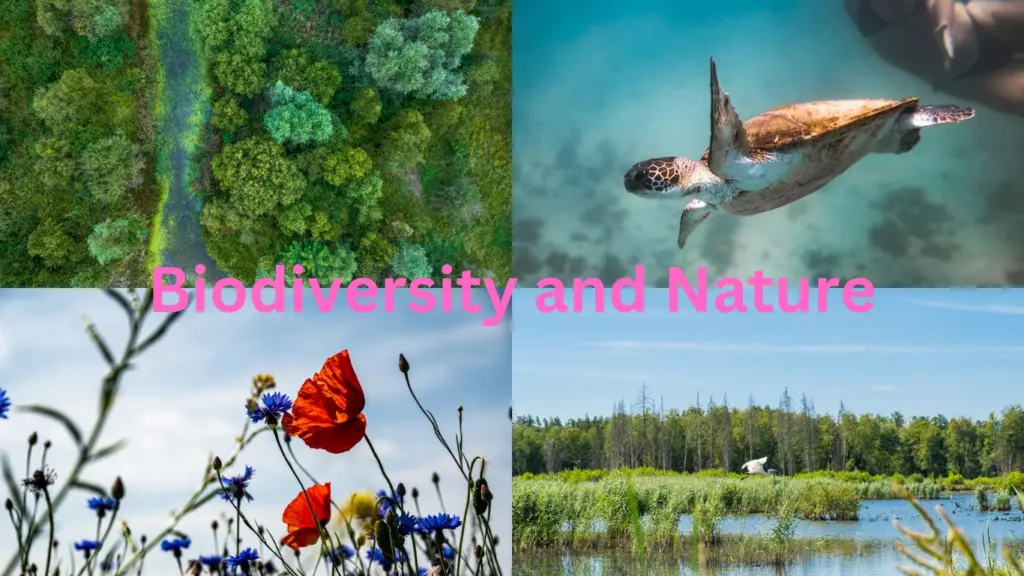
Nature Conservation: Principles and Practices
Nature conservation means protecting natural resources, wildlife, and habitats through sustainable practices and legal frameworks. It combines science, policy, and community action to ensure ecosystems endure for future generations.
Conservation Strategies
- Establishing protected areas such as national parks and wildlife sanctuaries.
- Promoting sustainable agriculture and forestry practices.
- Restoring degraded land, reforestation, and afforestation projects.
- Recognizing and using indigenous knowledge for conservation.
- Enforcing environmental laws and international treaties.
Biodiversity Conservation in India
India, recognized as a mega-diverse country, is home to an incredible variety of species across its forests, wetlands, mountains, and coastlines.
Indian Initiatives
- Project Tiger and Project Elephant for flagship species conservation.
- Biosphere Reserves, National Parks, and Wildlife Sanctuaries.
- Wetland conservation under Ramsar Convention sites.
- Government campaigns for Afforestation and Clean India (Swachh Bharat).
- Involvement of local communities and NGOs in conservation programs.
India’s Rich Biodiversity
- The Western Ghats, Sundarbans, Himalayas, and Andaman Islands house countless endemic species.
- India is home to tigers, elephants, rhinoceros, thousands of birds, medicinal plants, and marine species.
- Traditional knowledge in Ayurveda, farming, and water management aids conservation efforts.
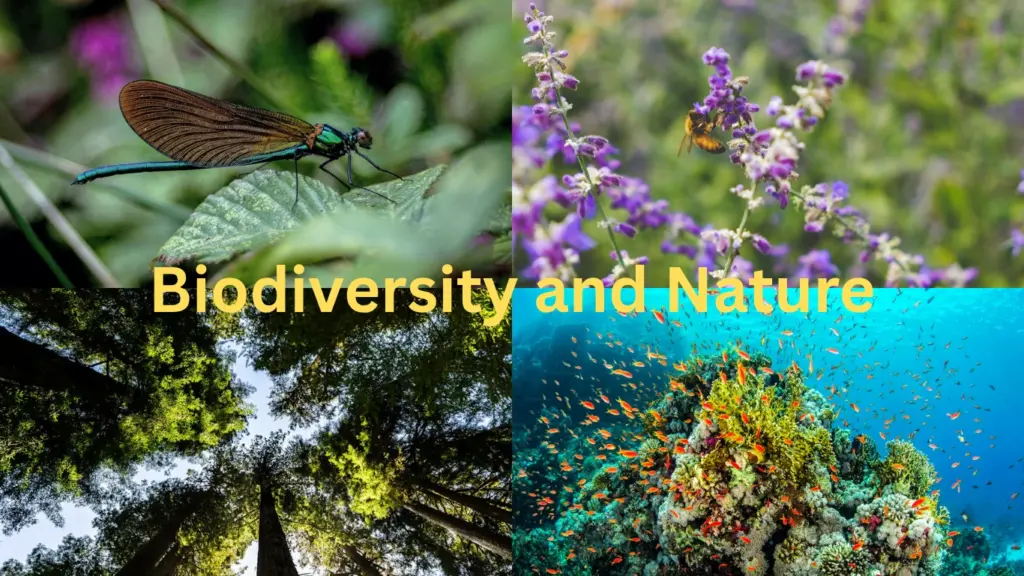
Global Perspective: International Conservation Efforts
Global organizations like the United Nations, WWF, IUCN, and national governments work together to protect world biodiversity.
International Agreements
- The Convention on Biological Diversity (CBD) aims for global biodiversity protection.
- The Paris Climate Agreement encourages climate-resilient conservation.
- CITES regulates trade in endangered species.
- Worldwide campaigns for sustainable development and nature-based solutions help restore threatened regions.
Why People Are Interested in Biodiversity
Growing awareness of nature’s fragility, climate change impacts, and the need for sustainable living has inspired people to act for biodiversity.
How Individuals Can Help Conserve Nature
- Support and participate in local conservation initiatives.
- Plant native trees, avoid single-use plastics, and recycle waste.
- Learn about regional flora and fauna; share knowledge to build awareness.
- Practice responsible tourism and support eco-friendly businesses.
- Advocate for government policies that protect land and wildlife.
Conclusion
Biodiversity and nature conservation are crucial for preserving life on earth, ensuring sustainable livelihoods, and protecting the environment for generations to come. From India’s vibrant wildlife to global partnerships, every effort—big or small—counts. By raising awareness and taking action, people can be powerful protectors of our planet’s future.
🔗 Related Posts
✨ You May Like These Articles


Pingback: Plant Propagation Mastery: Grow Your Own Garden from Seeds – The Complete Beginner’s Guide - RK News Blog