
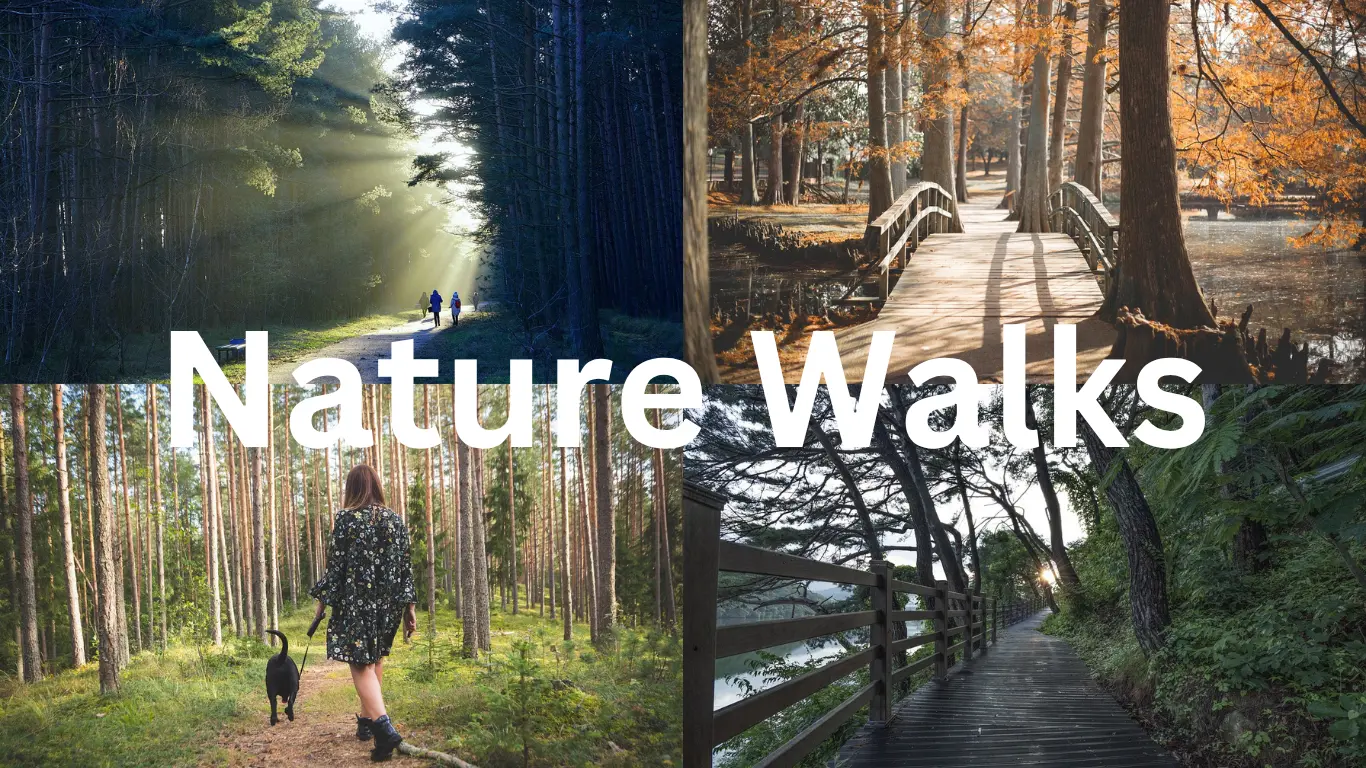

Nature Walks and Outdoor Activities: A Gateway to Nature Study and Environmental Awareness
Nature walks and outdoor activities offer incredible opportunities to connect with the environment, learn about ecosystems, and promote mental and physical well-being. Whether it’s a simple forest stroll, bird watching, or guided eco-tours, these activities deepen our appreciation for nature and help foster environmental stewardship. This article explores various types of nature-related outdoor activities, their educational value, and practical tips to enhance your nature study experience.
Importance of Nature Walks and Outdoor Activities
Engaging in nature walks and outdoor activities allows individuals to experience ecosystems firsthand, enhancing their understanding of plant and animal life. These activities promote environmental education, inspire conservation ethics, and support physical and emotional health.
Benefits of Nature Study Through Outdoor Activities
- Educational Engagement: Participants learn scientific observation skills, species identification, and ecological relationships.
- Stress Reduction and Mental Health: Nature walks reduce stress, boost mood, and improve cognitive function by immersing individuals in natural surroundings.
- Physical Fitness: Walking and hiking increase cardiovascular health while exploring diverse terrains.
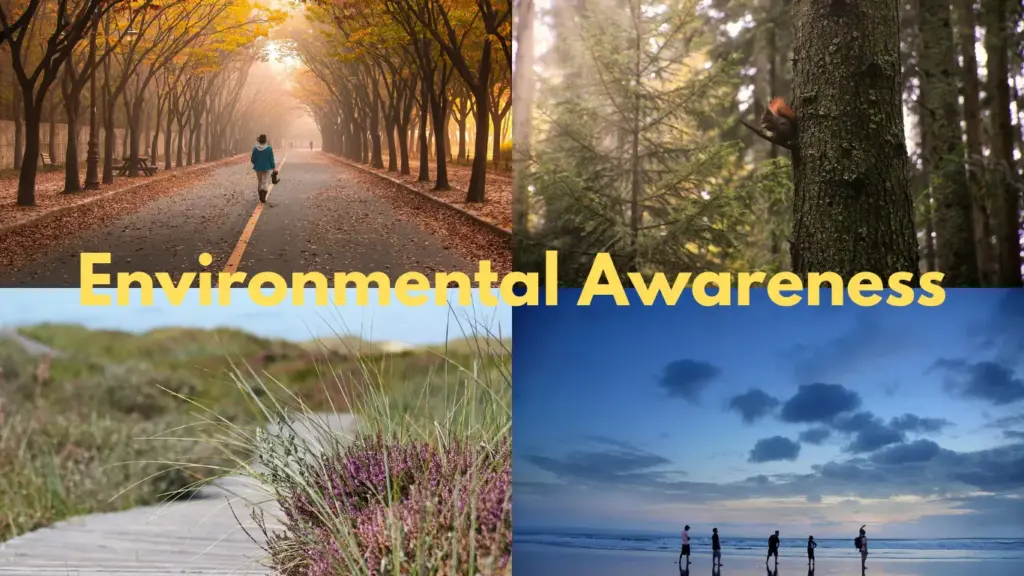
- Environmental Stewardship: Regular interaction with nature encourages sustainable behaviors and advocacey for ecosystem protection.
Popular Nature Walks and Outdoor Activities
Forest and Wildlife Walks
Taking a walk in forests or nature reserves is among the best ways to observe diverse flora and fauna. Guided walks often include learning about trees, birds, insect life, and seasonal changes. Nature enthusiasts use tools like binoculars and field guides for enhanced study.

Bird Watching and Ornithology Walks
Bird watching is a favorite nature study activity worldwide. Observers note bird species, behaviors, and migration patterns, often using apps or notebooks. Ornithology walks deepen understanding of avian ecology and conservation needs.
Nature Journaling and Sketching
Participants combine art and science by documenting observations through drawings, notes, and poetry. Journaling fosters detailed attention, personal reflection, and creative expression related to nature.
Wetland and Pond Dipping Activities
Exploring aquatic ecosystems through pond dipping introduces learners to amphibians, insects, and plants. These activities highlight freshwater biodiversity and water quality importance.
Eco-Tours and Guided Hikes
Professionally led eco-tours and hikes provide structured education on specific ecosystems, cultural history, and conservation issues. These tours often integrate citizen science projects and community engagement.
Tips for an Effective and Enjoyable Nature Study Outing
Preparation and mindfulness enhance the outdoor learning experience:
Planning Your Outdoor Activity
- Research local parks, reserves, or trails suited to your interests and fitness level.
- Consider seasons and weather; some species or phenomena appear only during certain times.
- Pack essential gear such as comfortable footwear, water, sunscreen, insect repellent, field guides, and cameras.
Observation and Note-Taking
- Move slowly and quietly to observe wildlife behavior closely.
- Use binoculars and magnifying glasses for detailed study.
- Keep a nature journal to record species, weather conditions, and personal reflections.
Respect for Nature and Safety
- Follow “Leave No Trace” principles by minimizing environmental impact.
- Stay on marked trails to protect habitat and avoid hazards.
- Be aware of local wildlife safety guidelines and emergency protocols.
Educational and Community Benefits of Nature Walks
Beyond individual growth, nature walks serve educational institutions and community groups:
- Schools integrate outdoor learning to complement classroom science.
- Community groups organize nature clubs, workshops, and conservation activities.
- Nature walks inspire scientific curiosity and collective efforts to protect natural heritage.
Conclusion
Nature walks and outdoor activities related to nature study provide invaluable opportunities to learn, enjoy, and protect the natural world. Through diverse experiences—from forest hikes and bird watching to nature journaling and eco-tours—people of all ages develop deeper environmental connections and responsibility. Whether for health, education, or recreation, embracing outdoor nature activities enriches lives while strengthening commitment to conserving our planet’s precious ecosystems.
🔗 Related Posts
✨ You May Like These Articles


Pingback: Amazon Rainforest: Secrets, Wildlife & Conservation 2025 - RK News Blog
Pingback: Plant Propagation Mastery: Grow Your Own Garden from Seeds – The Complete Beginner’s Guide - RK News Blog